
1. What is route optimization in logistics and fleet management?
Route optimization is the process of calculating and assigning the most efficient routes for each vehicle in a fleet, using variables such as traffic conditions, stops, estimated time of arrival (ETA), load constraints, and delivery schedules. Its goal is to reduce costs, save time, and maximize operational efficiency.
In practice, this involves the use of advanced algorithms and specialized software that can generate dynamic routes and adjust them in real time. It’s no longer just about drawing paths on a map—it’s about doing more with fewer resources.
2. Why is it important to implement a route optimization solution for fleets in 2025?
With the growth of e-commerce, the demand for faster deliveries, and increasing pressure to reduce emissions, route optimization is essential to remain competitive. In 2025, companies that do not automate route planning face:
- Higher operating costs
- Frequent delays
- Lower customer satisfaction
- Excessive fuel consumption and maintenance costs
In addition, many European countries already require environmental reporting and emissions control in transportation. Route optimization helps companies comply with these regulations.
3. Key benefits of route optimization for transportation companies
- Cost reduction: Fewer miles driven, lower fuel consumption, and reduced maintenance. According to the Logistics Observatory, optimized routes can cut logistics costs by more than 25%.
- Improved on-time performance: Better compliance with delivery schedules and time windows.
- Better resource utilization: Vehicles and drivers are assigned more efficiently.
- Lower environmental impact: Reduced CO₂ emissions by eliminating unnecessary trips.
- Higher customer satisfaction: More predictable and trackable deliveries.
4. How route optimization software works
4.1 Algorithms and variables it considers
- Estimated time of arrival (ETA)
- Real-time traffic conditions
- Distance and travel time between stops
- Delivery time windows
- Cargo type and constraints (weight, temperature)
- Loading and unloading times
- Vehicle and driver availability
4.2 Step-by-step practical example
- Daily addresses and constraints are entered into the system.
- The software analyzes multiple possible combinations.
- An optimized route is generated for each vehicle.
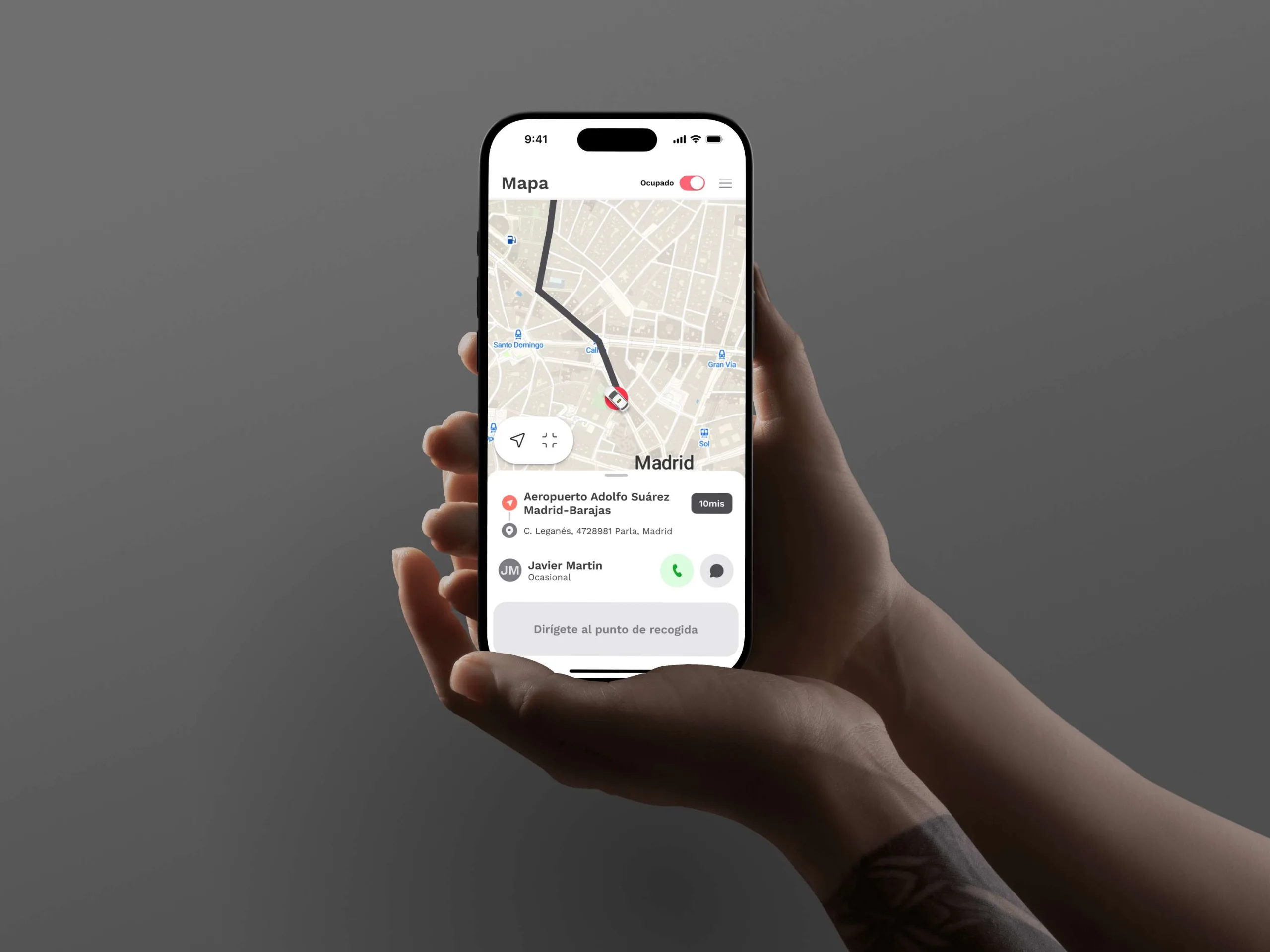
- The driver receives the route directly in their app.
- Routes can be adjusted in real time if conditions change.
5. Types of route optimization software
5.1 Logistics-focused SaaS platforms
Platforms such as Deiviator, Routific, or Onfleet offer cloud-based software specifically designed for route planning, with advanced tracking, alerting, and analytics features.
5.2 TMS platforms with routing modules
Some Transportation Management Systems (TMS) include routing modules, allowing planning, monitoring, and billing to be integrated within a single environment.
5.3 Mobile apps for drivers
These complement the core software and allow drivers to view their routes, confirm deliveries, and report incidents directly from their mobile devices.
6. How to choose the best route optimization software for your fleet
6.1 Key criteria
- Ease of use
- Scalability (can it grow with your business?)
- Integrations (ERP, CRM, GPS)
- Technical support
- Customization
6.2 Quick comparison
| Software | Cloud-based | Mobile | AI | Support | Integrations |
|---|---|---|---|---|---|
| Deiviator | ✅ | ✅ | ✅ | ⭐⭐⭐⭐ | ERP, TMS, API |
| Option B | ✅ | ✅ | ❌ | ⭐⭐ | Limited |
| Option C | ❌ | ❌ | ❌ | ⭐ | None |
7. Common mistakes when planning routes without technology
- Repeated or poorly assigned routes
- Excessive miles driven
- Inefficient fuel usage
- Overloading certain drivers
- Lack of delivery traceability
8. Economic impact: how much you can save by optimizing your routes
Companies that implement route optimization software report:
- A 10–25% reduction in logistics costs
- A 20% decrease in route time
- Up to 30% fewer CO₂ emissions
9. Route optimization trends for 2025 and beyond
- Use of predictive artificial intelligence
- Sustainable routes with lower environmental impact
- Full automation of route planning
- Hyper-personalized deliveries (B2C and B2B)
- IoT integration with fleet sensors
10. Conclusion: how to start optimizing routes today
Having a route optimization solution for fleets is no longer optional—it is a critical strategic tool. Implementing specialized software such as Deiviator allows you to scale operations, reduce costs, and deliver a best-in-class logistics service.
If you’d like to learn how to adapt it to your business, you can request a free demo or speak with an advisor to explore all the benefits. You can also download our Global Logistics Report 2025 to gain insights into the industry.