 España
 United States of America
 United Kingdom
 Argentina
 Ireland
 México

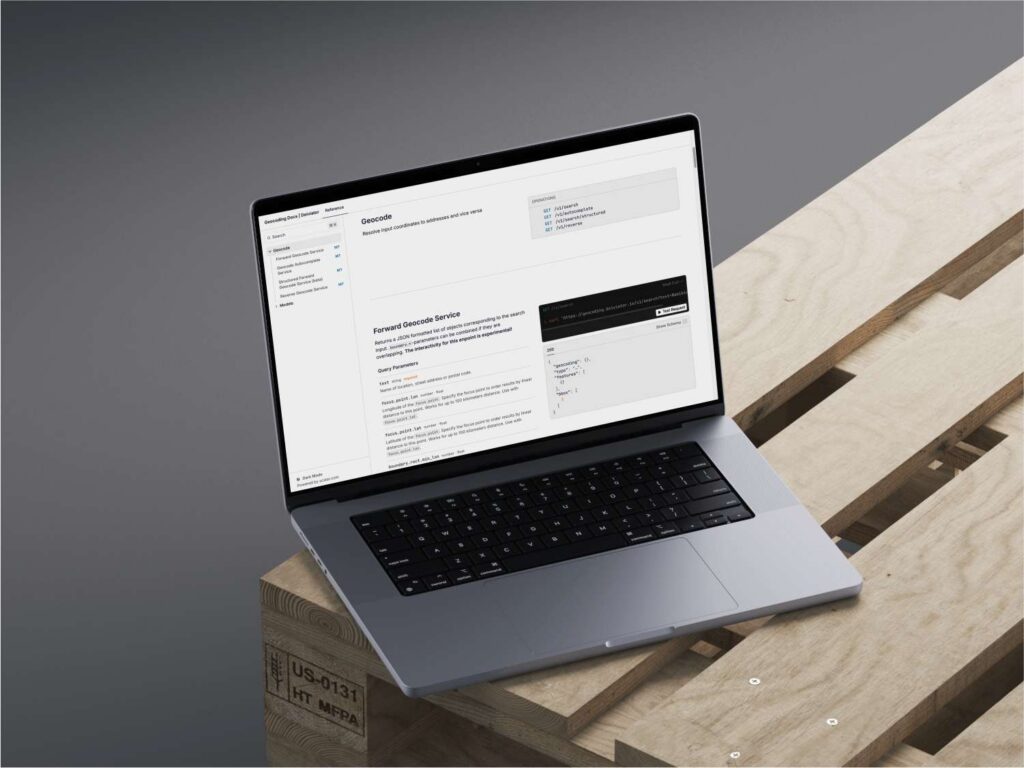
What is an API (and why should you care)?
An API (Application Programming Interface) allows two different systems to communicate with each other. In corporate mobility, this means your transportation platform can connect seamlessly with your ERP, CRM, booking tool, or billing system.
Key benefits of using APIs in mobility
- Automation: user, trip, and payment data are synchronized automatically, without manual intervention.
- Scalability: you can grow without duplicating tasks or adding unnecessary staff.
- Traceability: every action is recorded automatically in a verifiable way.
- Improved user experience: users see real-time, up-to-date information with fewer errors and delays.
Common use cases
From integrating with Google Calendar to schedule trips, to connecting with internal payroll systems to automatically log work-related travel, APIs make connected mobility possible. With Deiviator, you can link your existing systems without having to rebuild your digital architecture; each integration is tailored to your systems, depending on scope.
How Deiviator does it
The Router API for third-party integration gives you an estimate before booking, with the price and arrival time from each provider; it avoids duplicate bookings because each request carries its idempotency key, and it sends a signed notification to your system on every status change. The dispatch API lets authorised partners request trips with the organisation’s API key and, if the organisation has the Bolt and Cabify module, the platform can pass the trip to Cabify or Bolt when your own fleet cannot cover it. List data can also be exported to CSV or Excel.
What should a good mobility API include?
- Clear, publicly available documentation.
- Responsive technical support.
- Secure access tokens (OAuth, JWT).
- Well-structured RESTful endpoints for users, trips, fleet management, and billing.
Conclusion
APIs are not just an IT concern—they are the foundation for scaling operations without friction. Deiviator was designed to connect with other systems, with signed notifications and idempotent bookings, so that integrations stay secure and scale with you.

Reviewed by
David Barahona
Product and Technology · Deiviator
Writes about product, efficiency and workflow: how each fleet job is dispatched, tracked and closed.